Aircrew Parachute Harness/Pack – Vulcan & Victor Crew Seats: Collectible Aircraft Emergency Gear
Aircrew Parachute Harness/Pack – Vulcan & Victor Crew Seats: Collectible Aircraft Emergency Gear
Blog Article
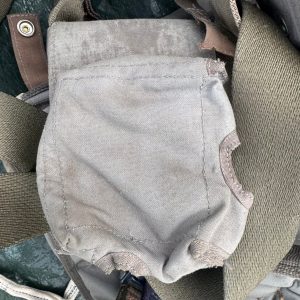
The Aircrew Parachute Harness/Pack – Vulcan & Victor Crew Seats combines historical aviation interest, crew-seat integration potential, harness construction, and emergency-equipment significance.
The Aviation Parachute Harness supports secure attachment within an emergency system, while the Pilot Parachute Harness should be evaluated for webbing condition, hardware integrity, adjustment, size, and compatibility.
An Aircraft Emergency Parachute Harness, Aircrew Safety Harness, Flight Crew Parachute Harness, Emergency Parachute Harness, and Military Aircrew Harness all describe safety-related equipment intended to secure aircrew within compatible parachute or escape systems.
Whether described as an Aviation Emergency Escape Harness, Parachute Harness Assembly, Aircraft Crew Safety Equipment, Aircrew Emergency Equipment, or Pilot Emergency Parachute System, the item should be evaluated within its complete original configuration.
An Aviation Safety Harness, Flight Parachute Harness, and Aircraft Parachute Equipment listing should distinguish between operationally inspected equipment, untested historic material, display-only components, incomplete assemblies, and parts items.
Key Details of the Crew-Seat Parachute System
The exact configuration should be established before the item is advertised as compatible with a specific Vulcan or Victor crew position.
Photographs should show the front, rear, sides, webbing, buckles, attachment points, pack, labels, stitching, hardware, and areas of wear.
Military Harness Structural Features
A complete inspection should examine both obvious wear and less visible age-related deterioration.
Repairs should not be assumed acceptable merely because they appear neat or use similar-colored material.
Choosing a Pilot Parachute Harness
A Pilot Parachute Harness should correspond with the wearer, clothing, seat arrangement, parachute pack, attachment system, and intended operating configuration.
Buckles and adjusters should move without excessive force, binding, corrosion, cracking, deformation, or damage to adjacent webbing.
Aircraft Emergency Parachute Harness Function
Its effective function depends on the complete relationship between harness, pack, canopy, seat, releases, attachment points, and crew procedures.
The relationship between each fitting and its surrounding webbing should remain visible for inspection.
Aircrew Safety Harness Applications
An Aircrew Safety Harness may serve as part of a parachute, restraint, escape, survival, or crew-seat equipment system depending on its exact design.
Metal parts should be isolated from materials that may encourage corrosion or staining.
Historic Flight Equipment Condition Review
Detailed condition reporting creates a more credible and commercially useful listing.
Unsupported claims of combat use, specific crew assignment, or aircraft provenance should be avoided.
Harness Hardware Evaluation
The item should not be opened, repacked, or disassembled without suitable knowledge because historic arrangements may be lost.
Metal fittings should be checked for rust, get more info pitting, cracks, distortion, sharp edges, frozen movement, and plating loss.
Historic Military Aviation Harness Equipment
The combination of aircraft association, markings, configuration, condition, and documentation can influence historical and commercial value.
Museums and display builders may use the harness/pack to complete a crew-seat installation, cockpit exhibit, training display, or aviation-history presentation.
Understanding an Aviation Emergency Escape Harness
Missing components can limit the accuracy of a restoration or display.
Qualified historical or technical review supports accurate Aviation Emergency Escape Harness presentation.
Evaluating Assembly Completeness
A pack exterior does not prove that a canopy, pilot chute, deployment components, or internal equipment remain present.
Organized documentation also helps future owners continue research.
Military Crew Survival Gear
Historic equipment should be labeled clearly when sold for display, collection, restoration, or reference.
Original dirt, markings, or wear may provide useful historical evidence.
Choosing Aircrew Survival Components
The item may have educational value even when it is incomplete or unsuitable for operational use.
Replacement straps or hardware should be disclosed when known.
Military Pilot Escape Equipment
Historic parachute equipment may have exceeded original service intervals or contain materials affected by age and storage.
Collectors should avoid deploying, unpacking, repacking, or load-testing rare equipment without understanding the effect on originality and condition.
Collectible Military Parachute Equipment
Its visual impact is enhanced when straps, pack, fittings, labels, and attachments remain arranged accurately.
The harness should not be worn by visitors when age, strength, or contamination is unknown.
Flight Parachute Harness Buying Guide
An operational buyer requires entirely different inspection, certification, and system-compatibility considerations.
Damage, missing components, mixed assemblies, heavy corrosion, cut straps, contamination, or unsupported provenance may reduce value.
Aircraft Parachute Equipment Compatibility
Configuration research helps avoid historically inaccurate or technically unsuitable assemblies.
Historic photographs and technical references can guide arrangement when available.
Aircrew Harness Pre-Purchase Checklist
The seller should disclose cut straps, missing fittings, corrosion, mildew, staining, odors, repairs, modifications, opened packs, and unknown internal contents.
- Request photographs of the front, rear, sides, webbing, stitching, buckles, attachment points, pack, labels, and included loose parts.
- Do not treat clean appearance, original labels, or previous inspection stamps as proof of current operational suitability.
- Confirm the seller’s invoice, payment protection, packaging method, shipping insurance, inspection period, and return conditions.
Parachute Webbing Preservation
Straps should follow broad natural curves rather than sharp folds that concentrate stress.
Routine monitoring supports long-term Aircrew Parachute Harness/Pack preservation.
Displaying the Vulcan and Victor Harness/Pack
A conservation-focused display preserves the Vulcan and Victor harness/pack for future study.
Interpretive material can explain the relationship between the harness, pack, crew seat, aircraft role, and emergency system.
Maintaining Historic Aircrew Parachute Equipment
Maintenance of historic aircrew parachute equipment should prioritize preservation, documentation, gentle handling, and prevention of further deterioration.
An incomplete but authentic assembly may hold greater historical value than a heavily reconstructed example.
Buying Historic Military Aircrew Parachute Equipment
The Aircrew Parachute Harness/Pack – Vulcan & Victor Crew Seats may suit museums, military aviation collectors, cockpit restorers, historians, preservation specialists, and buyers seeking authentic aircrew equipment.
A qualified parachute professional must evaluate the equipment before any operational consideration, while a conservator or historian may be more appropriate for display-focused projects.
Whether buyers seek a Flight Crew Parachute Harness, Emergency Parachute Harness, Military Aircrew Harness, or Aviation Emergency Escape Harness, exact system identity remains essential.
With complete evaluation and continued preservation, the Aircrew Parachute Harness/Pack – Vulcan & Victor Crew Seats can deliver a professional combination of historical significance, restoration potential, collectible appeal, and military aviation heritage.
Report this page